
A first meeting is too early to trade away control of your route home, your drinking limit, or your ability to leave. Dating safety tips for adults over 30 work best as a plan made before interest and politeness enter the room. A public venue, separate transportation, one informed contact, and permission to leave form a strong baseline.
By Dating Grounded · How this guide is edited
Set Your Personal Safety Baseline Before You Agree to Meet

Set four conditions in private: the first meeting happens in a public place, you travel there and home on your own, you set an alcohol limit and avoid drugs or anything that impairs your judgment, and you retain the right to end the date at any point. Put those conditions in place before plans become specific.
This baseline distinguishes ordinary openness from dependence on a stranger. A coffee shop, restaurant, or busy public venue puts other people nearby; a home, hotel room, or isolated outing does not. Choose the setup that leaves you sober enough to assess the moment and free to leave without seeking permission. A date who objects to those terms is giving you information before the meeting.
Choose a Meeting Setup That Keeps Your Exit Independent
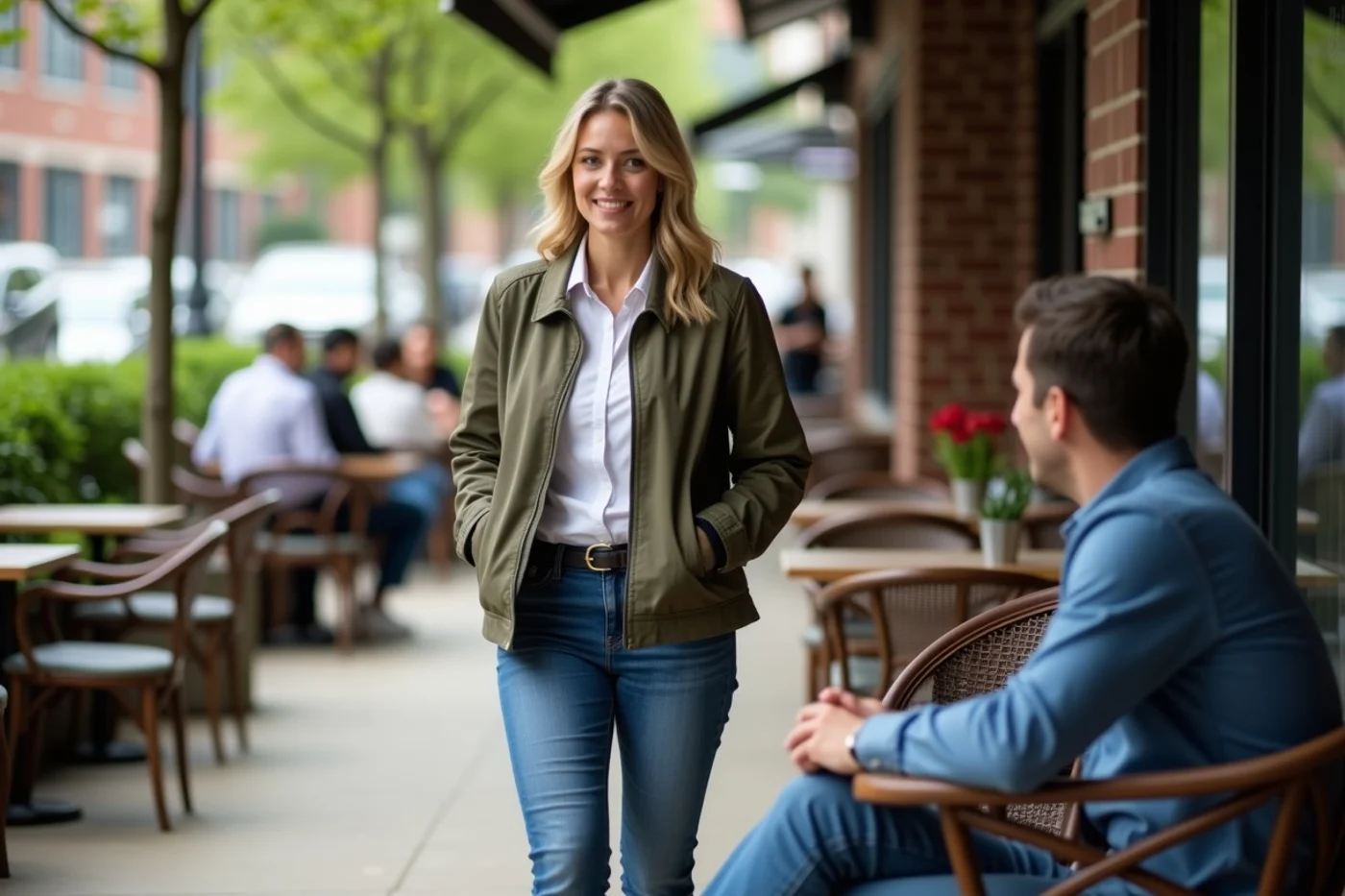
Independent mobility matters more than a polished date plan. Pick a public venue with staff, visible activity, and a straightforward route to your car, transit stop, or rideshare pickup. Meet at the venue. Do not accept a first-date pickup or reveal your home address just to simplify logistics.
An unfamiliar neighborhood adds friction when you are trying to leave quickly, so favor a venue whose exits, parking, and pickup area you understand. Arrival and departure should not depend on the other person’s timing, vehicle, or willingness to extend the evening. A short meeting window gives you a natural end point; leave once it ends unless you freely choose to stay.
Bring enough money, a charged phone, and access to your own transportation. Paying your share prevents a bill from becoming leverage, even when the other person insists on treating. For example, choose a café near a transit stop or familiar parking, arrive separately, and set a check-in for shortly after the planned end. That is simply two adults meeting in public, each with a way home.
Give a Trusted Person the Details They Need for a Check-In
An absent check-in is most useful when the other person knows what it means. Send a trusted friend or family member the venue name and address, the date’s first name and contact details you have, your arrival and planned departure times, and the transportation you expect to use. A screenshot of the plan or venue link gives them a reference without a long explanation.
Agree on a specific check-in time and a response sequence. Ask them to message you first, call if you do not reply, and contact local emergency services if they have reason to believe you are in immediate danger. Tell them when you are safely home. Vague “check on me later” arrangements leave too much to guesswork.
Respond Clearly to Pressure, Discomfort, or Immediate Danger
Pressure usually announces itself in small demands: another drink after you declined, an argument about leaving, insistence on a ride, or an attempt to move the date somewhere private. You do not need to settle the disagreement. “I’m leaving now.” is enough.
Move toward staff, a security desk, or a group of people when discomfort rises. State that you need help getting away from the person, call a trusted contact, and use your independent transportation. Do not go outside alone to explain yourself if the person is blocking your exit or following you.
Immediate danger calls for local emergency services. In the United States, call 911 when you believe you face an immediate threat. Put distance and other people between you and the date whenever possible.
Before confirming a first meeting, put the venue, your route home, and the check-in time in place. Interest is worth exploring; it is not a reason to surrender your exit.